Dry Needling
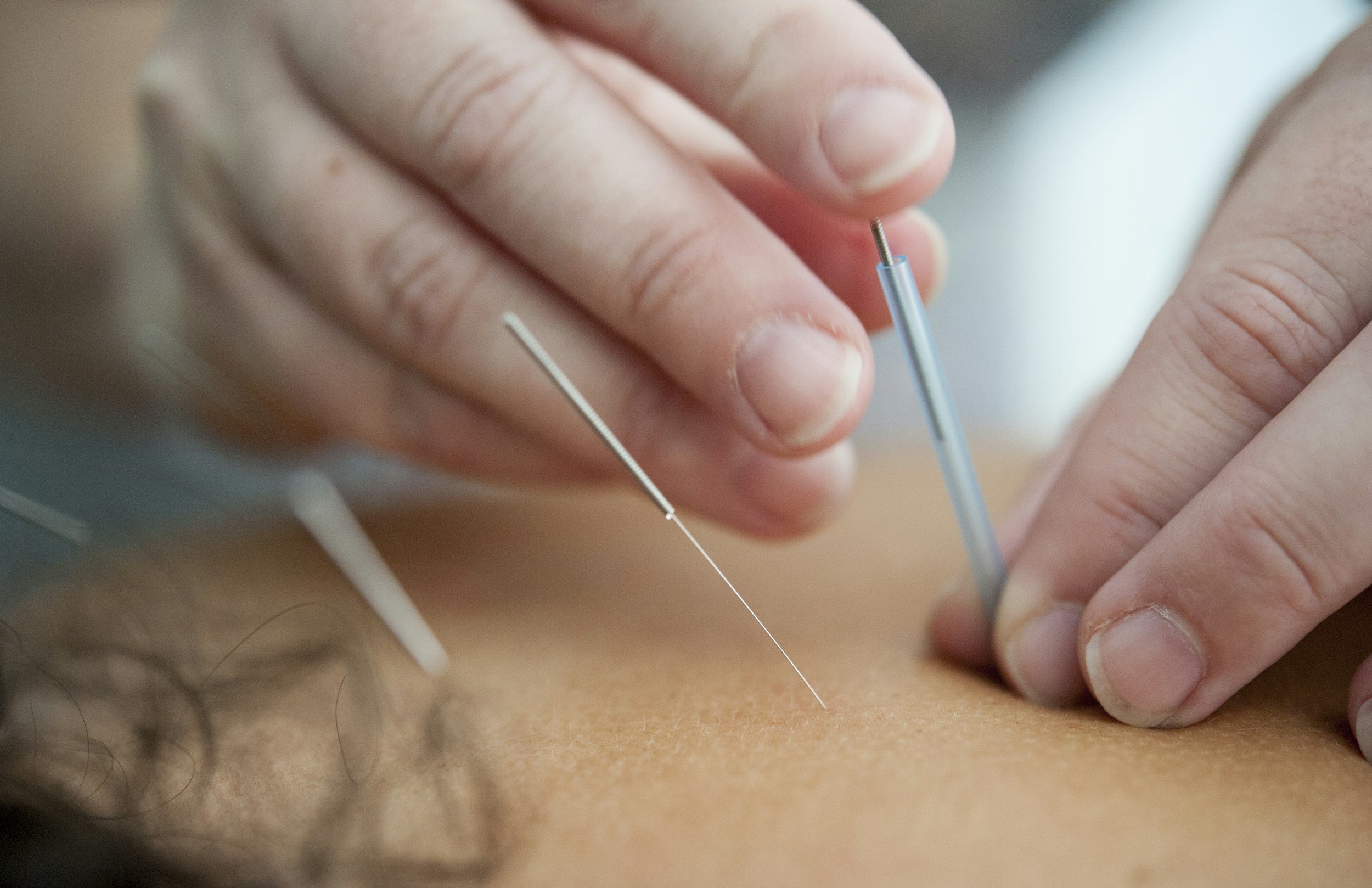
At Border Osteo & Performance, dry needling is used as part of an evidence-based approach to help reduce pain, restore movement, and improve muscle function.
Dry needling targets areas of increased muscle tension and sensitivity that may be contributing to pain, restricted movement, or altered loading patterns. It is commonly used to assist with muscle tightness, overload injuries, sports injuries, headaches, and spinal pain.
If you’re looking for dry needling in Richmond, treatment at Border Osteo & Performance is always integrated into a broader plan that considers movement quality, training load, and strength rather than being used as a standalone solution.
Dry needling may help reduce pain sensitivity, improve muscle activation, and allow more effective movement and exercise progression. It is often combined with hands-on osteopathic treatment and targeted exercise to support longer-term results.
Dry needling at Border Osteo & Performance is commonly used for athletes, gym-goers, and active individuals who want to recover faster, move better, and return to training with confidence.
Cupping Therapy
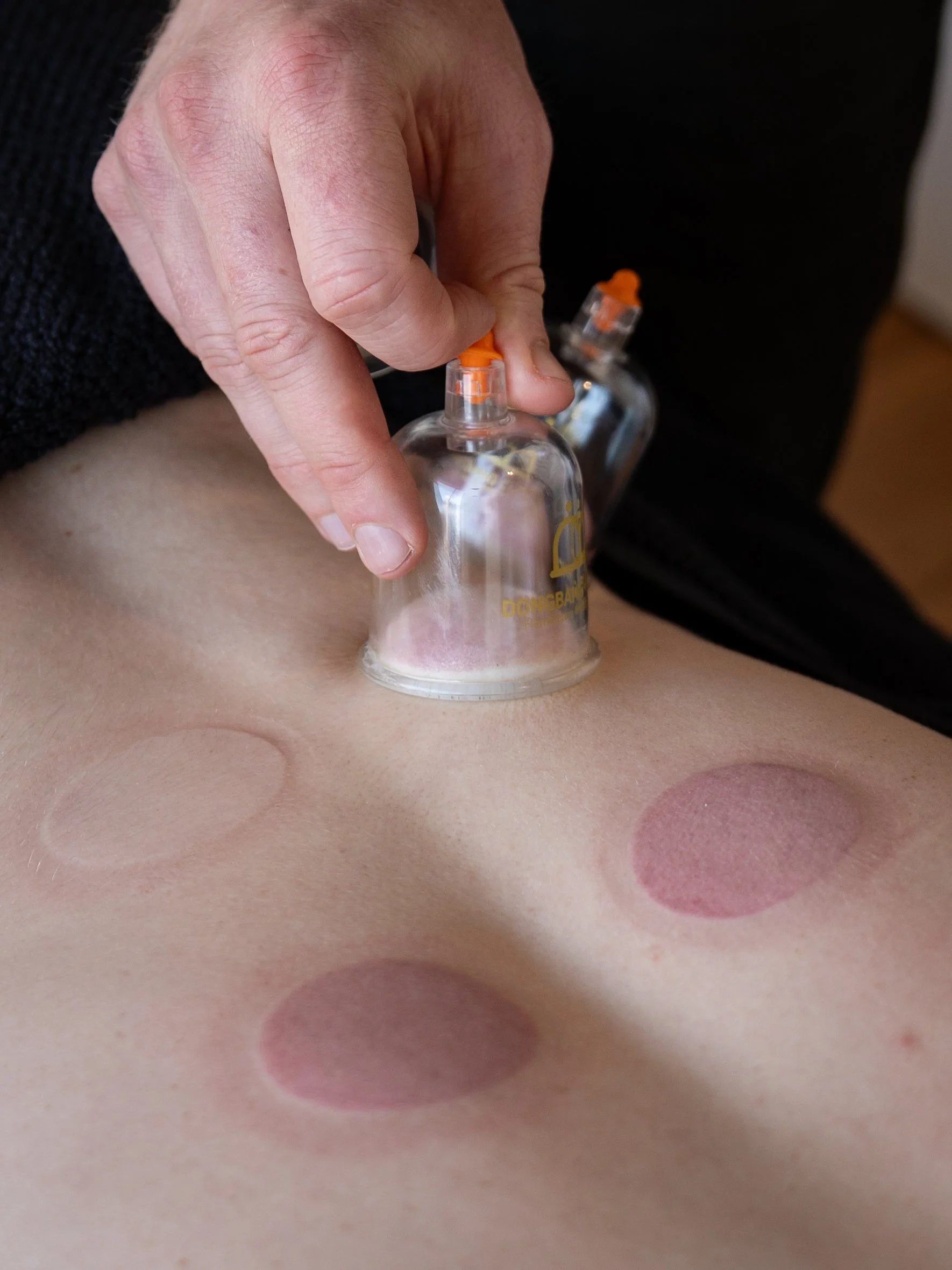
Cupping therapy at Border Osteo & Performance is used to support pain reduction, improve soft tissue movement, and assist recovery from training and injury.
Cupping involves applying negative pressure to the skin and underlying tissues to help reduce muscle tension, improve tissue glide, and stimulate local circulation. It is commonly used for back pain, neck and shoulder tension, hip and thigh tightness, and sports-related muscle soreness.
If you’re searching for cupping therapy in Richmond, Border Osteo & Performance integrates cupping into osteopathic treatment and rehabilitation programs to support movement and performance outcomes.
Cupping can be particularly useful for athletes and active individuals who experience persistent tightness, heavy training loads, or movement restrictions that limit performance or recovery.
Rather than being used in isolation, cupping therapy is combined with manual treatment, movement retraining, and strength work to ensure improvements translate into better function and reduced injury risk.